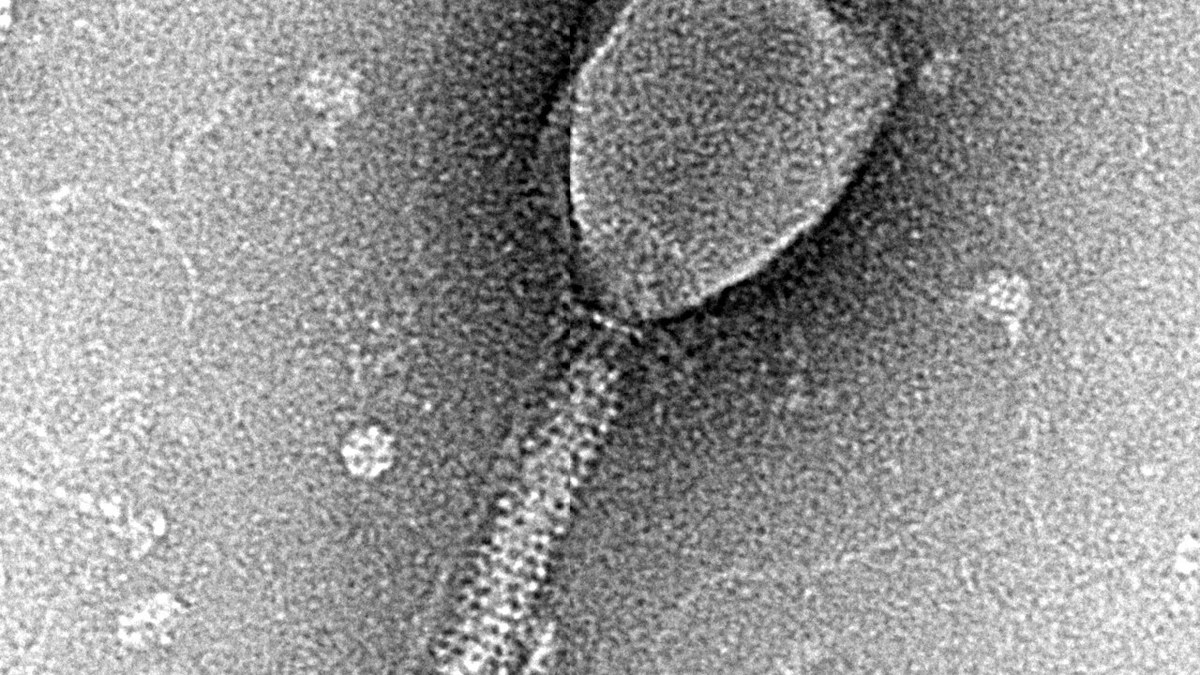
1. Viral Ultrastructure and Bacteriophage Replication
- Capsid Architecture: Composed of individual protein subunits called capsomeres. Helical capsids create cylindrical shapes (e.g. Tobacco Mosaic Virus), while icosahedral capsids form 20-sided polyhedrons (e.g. Adenovirus, Poliovirus).
- Viral Genome Characteristics: Viruses contain either DNA or RNA, never both simultaneously. The nucleic acid may be single-stranded or double-stranded, linear or circular.
- Viral Envelope Origin: Acquired from the host cell's plasma membrane or nuclear membrane during budding, studded with viral glycoproteins (spikes) facilitating host attachment.
- Lytic Lifecycle Cascade: Attachment (Tail fibers bind bacterial LPS) ➔ Penetration (Lysozyme digests cell wall, core injects DNA) ➔ Biosynthesis (Host genome degraded, viral mRNA transcribed) ➔ Maturation (Capsids assembled, DNA packaged) ➔ Lysis (Endolysin destroys peptidoglycan, host bursts).
- Lysogenic Phase Integration: Phage DNA integrates into the bacterial circular chromosome to form a latent prophage, replicating passively with each bacterial binary fission cycle until induction occurs.
| Characteristic | Lytic Cycle (Virulent Phage) | Lysogenic Cycle (Temperate Phage) |
|---|---|---|
| Host Cell Fate | Immediate lysis and death | Survives and replicates normally |
| Viral Genome State | Free, actively transcribed circular DNA | Integrated into host chromosome (Prophage) |
| Progeny Virion Production | Hundreds of virions released per cycle | Zero virions produced during latency |
| Induction Trigger | Not applicable (Direct progression) | Environmental stress, UV radiation, chemical mutagens |
2. Retroviral Mechanisms and Clinical Correlations
Retroviruses are enveloped, plus-strand RNA viruses possessing reverse transcriptase, integrase, and protease enzymes. Upon cellular entry, reverse transcriptase synthesizes a complementary DNA (cDNA) strand from the viral RNA template, digests the RNA strand via RNase H activity, and synthesizes a double-stranded DNA molecule that integrates permanently into the host chromosome as a provirus.
- The White Coat Preview: In 1st-year MBBS Microbiology and Immunology, Human Immunodeficiency Virus (HIV) pathology demonstrates retroviral persistence. HIV binds the CD4 receptor and CCR5 co-receptor on T-helper lymphocytes and macrophages via its gp120 surface glycoprotein. Destruction of CD4+ T-lymphocytes below 200 cells/microliter leaves the patient vulnerable to fatal opportunistic pathogens, such as Pneumocystis jirovecii pneumonia and Cryptococcus neoformans meningitis.
- The 15-Second Elimination Shortcut: If a question tests the mechanism of reverse transcriptase, immediately eliminate any option describing transcription of RNA from a DNA template. Reverse transcriptase is an RNA-dependent DNA polymerase; its sole function is synthesizing DNA from an RNA template.
Frequently Asked Questions
Q: What role does lysozyme play during bacteriophage infection?
Bacteriophages utilize phage lysozyme located in their tail structure to enzymatically digest a localized section of the bacterial peptidoglycan cell wall during penetration, allowing the hollow core tube to inject viral DNA into the cytoplasm.
Q: How does temperate phage induction occur during lysogeny?
When a lysogenic bacterial population is exposed to environmental stressors such as ultraviolet light or DNA-damaging chemicals, the prophage repressor protein is cleaved. This frees the viral genome to excise itself from the bacterial chromosome, entering the active lytic cycle.
Q: What structural component determines host range specificity for viruses?
Host range specificity is determined by the precise biochemical interaction between viral surface attachment proteins (capsid proteins in non-enveloped viruses or glycoprotein spikes in enveloped viruses) and specific complementary receptor molecules on the host cell membrane.
Start Retaining for Real: Master MDCAT Acellular Life & Viruses Master Guide with Active Recall
Passive reading and repetitive textbook re-reading create the dangerous illusion of mastery. Real exam excellence requires spaced retrieval and discriminating question practice that mirrors actual PMDC difficulty.