Pre-Med Master Guides & Admissions
303+ authoritative MDCAT & UCAT master guides, closing merit cuts, formula sheets, and active recall study plans.
Official PMDC 10/40/50 Aggregate Suite
Compute your provincial closing aggregate, reverse calculate needed MDCAT marks, or convert Cambridge grades.
NSTC Camp Selection Merit Explorer & Center Quotas
Search historical camp selection cutoffs across NSTC-17 to NSTC-21 for 19 national test centers in Biology, Chemistry, Physics, and Mathematics.
Curated Guides & Stacks
Medical Entrance Exam Strategy: Time Management, Cognitive Stress & 180+ Pacing
Master the cognitive psychology of high-stakes medical entrance testing. Learn how to prevent prefrontal cortex fatigue, manage exam anxiety, and optimize time distribution across sections.
The 3-Loop Protocol: Algorithmic Multi-Pass Test Execution & Question Triage
The battle-tested three-pass execution blueprint for paper OMR and digital exams. Secure guaranteed marks in Loop 1, systematically conquer moderate deductions in Loop 2, and isolate examiner trap questions in Loop 3 without panic.
The Definitive UCAT & AKU Guide: Scoring, Section Mastery & Pakistan Registration Blueprint
Complete breakdown of the Aga Khan University transition to the UCAT. Master the 4 active subtests (VR, DM, QR, SJT), Pearson VUE Pakistan testing centers, scoring bands, and Stage 2 interview preparation.
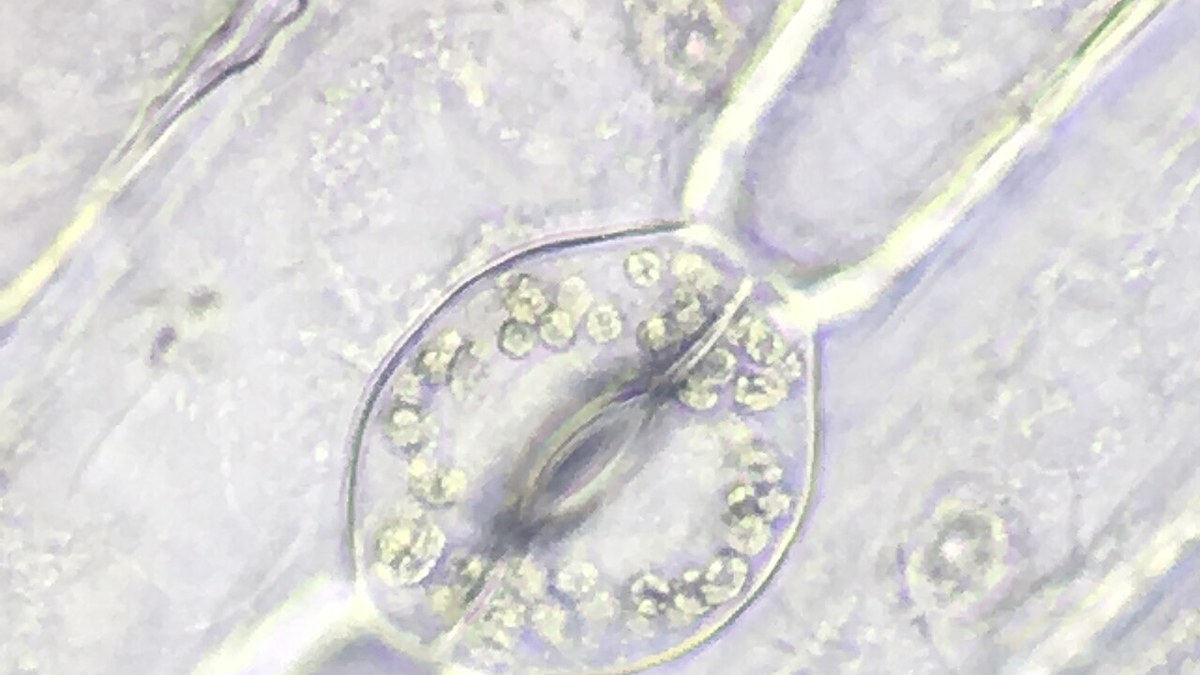
Cell Biology and Bioenergetics for the IMAT: Cellular Respiration, Photosynthesis, Membrane Transport, and Cell Division Mastery
HIGH-YIELD EXECUTIVE SUMMARY Cell Biology and Bioenergetics forms the foundation of the IMAT Biology syllabus, accounting for 6 to 8 questions out of the …

Infinite FLP Generation & 1:1 MDCAT Mock Exam Engine: The Future of Entry Test Simulation
Explore how BeambePrep's algorithmic Infinite FLP Generator delivers an authentic 1:1 MDCAT mock exam with exact 180-question subject distributions, real student difficulty calibrations, and …

Cambridge A Level Biology (9700): Ultimate Spaced Repetition Guide — Paper 1 MCQs to Paper 5 Planning
How to score an A* in Cambridge A Level Biology (9700). Complete active recall framework across AS and A2 modules, biochemistry reaction maps, and …
MDCAT Biology: Photosynthesis & Light Reactions — Z-Scheme, Calvin Cycle & Cyclic Traps
Master Bioenergetics and Photosynthesis for PMDC MDCAT. Step-by-step breakdown of Non-cyclic vs Cyclic photophosphorylation, Rubisco kinetics, and ATP accounting.
BeambePrep vs Mentr 2026: Cross-Platform FSRS Memory Engine vs Cohort Batch Coaching
A deep analysis comparing BeambePrep with Mentr. Discover how personalized algorithmic memory decay modeling outperforms one-size-fits-all cohort batch schedules.
MBBS 1st Year Anatomy & Physiology: How to Build Strong Foundations Early
Strategic survival and excellence guide for 1st Year MBBS students covering Gross Anatomy, Histology, Embryology, Physiology, and Medical Biochemistry.
Cambridge O/A-Level to FSc IBCC Equivalence: Complete Conversion Guide
Learn how IBCC converts Cambridge A* and A grades into official Pakistani Matric and FSc equivalence out of 1100 for medical college admissions.
How Cambridge A-Level Students Can Top the Pakistani MDCAT: Bridging the Gap
Detailed strategy on how A-Level candidates can master local textbook memorization, speed pacing, and rote recall required to score 170+ on the MDCAT.
A-Level MDCAT Guide: Syllabus Gap, Equivalence, and Strategy
💡 Quick Yield Summary: Cambridge A-Level candidates face a structural challenge on the MDCAT due to IBCC equivalence mark deductions and differences in factual …
10 Core MDCAT Preparation Rules for Top Merit Aspirants
💡 Quick Yield Summary: Scoring in the top 1% of the MDCAT demands disciplined operating habits, strict error logging, and evidence-based study schedules. These …

MDCAT 2026 Quick Reference Cheat Sheet and Exam Specs
💡 Quick Yield Summary: This reference guide details the official PMDC 180 MCQ format, subject weightages, passing thresholds, and registration timelines for MDCAT 2026. …

MDCAT vs ECAT 2026: Subject Overlap, Weightage, and Strategy
💡 Quick Yield Summary: MDCAT governs admission to medical and dental programs with a heavy emphasis on Biology (45%), while ECAT governs engineering admissions …
MDCAT Gaseous Exchange and Respiratory Physiology
💡 Quick Yield Summary: Respiratory mechanics, alveolar gas exchange, and hemoglobin oxygen transport dynamics contribute 2 to 3 questions on the PMDC MDCAT paper. …
MDCAT Vitamins Guide: Fat and Water Soluble Metabolism
💡 Quick Yield Summary: Micronutrient pathways, biochemical coenzyme roles, and vitamin deficiency states yield 1 to 2 discriminating questions on the PMDC MDCAT paper. …
MDCAT Reproduction: Gametogenesis and Hormonal Cycles
💡 Quick Yield Summary: Human reproductive biology and early embryology deliver 4 to 6 questions across the PMDC MDCAT paper. Mastering meiotic arrest intervals, …
MDCAT Plant Transport: Xylem and Phloem Mechanisms
💡 Quick Yield Summary: Plant transport physiology contributes 2 to 3 conceptual questions testing sap ascent kinetics and source-to-sink translocation. Distinguishing the mechanical forces …
MDCAT Kingdom Plantae and Animalia Classification
💡 Quick Yield Summary: Diversity of life accounts for 2 to 3 discriminating questions evaluating plant evolutionary milestones and invertebrate body plans. Mastering coelomic …
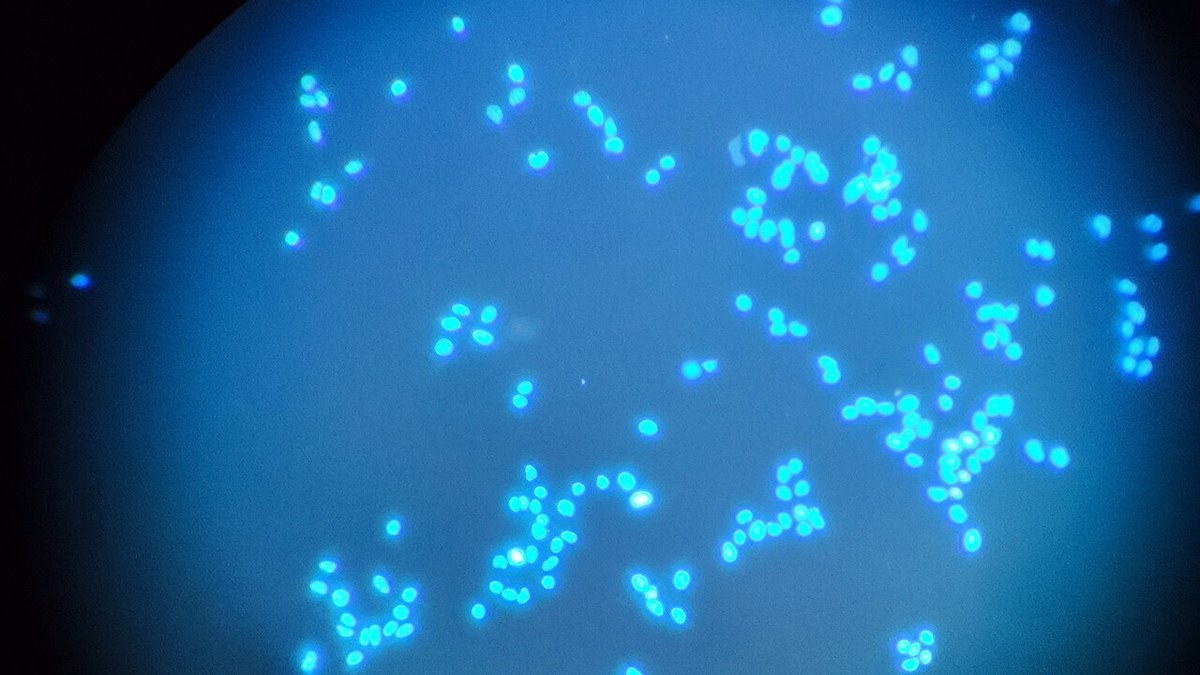
MDCAT Cell Membrane Structure and Transport
💡 Quick Yield Summary: Membrane dynamics, passive diffusion kinetics, and active ion pump energetics account for 2 to 3 core questions on the MDCAT …