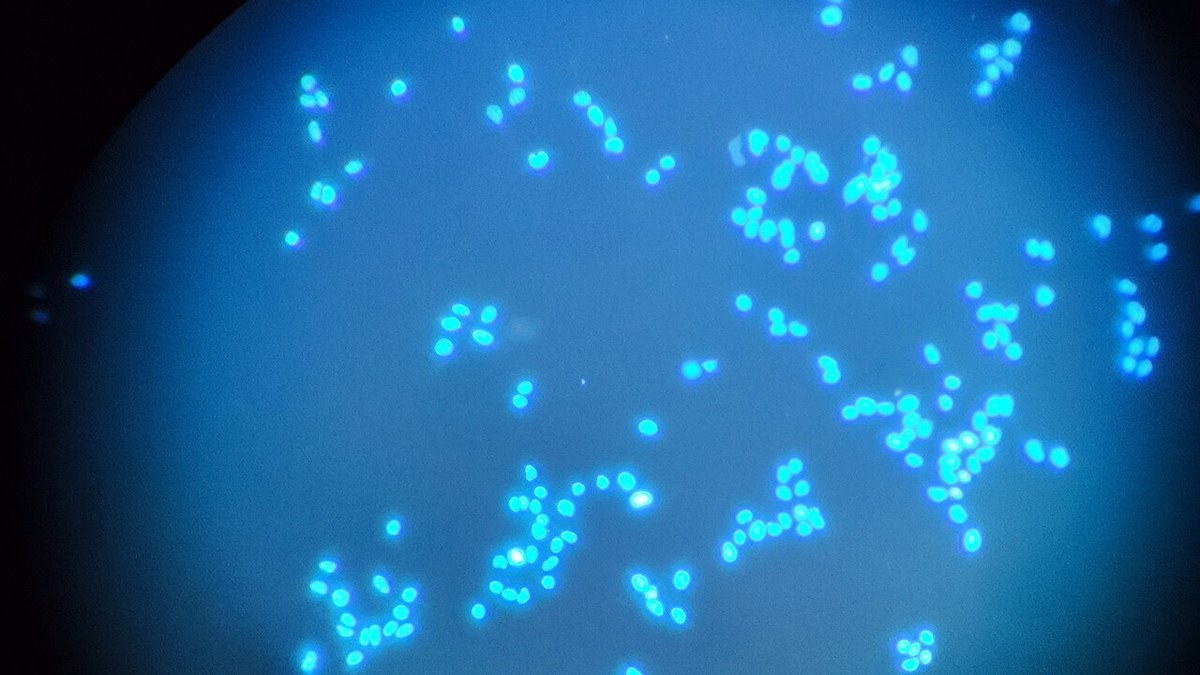
The National Institute for Biotechnology and Genetic Engineering (NIBGE) in Faisalabad serves as the national academic home for Pakistan's National Science Olympiad in Biology (NSPB). Operating under the STEM Careers Programme run jointly by the Higher Education Commission (HEC) and the Pakistan Institute of Engineering and Applied Sciences (PIEAS), NIBGE hosts the residential training camps that select and prepare Pakistan's four-member student delegation for the International Biology Olympiad (IBO). Because laboratory practical examinations account for 50% of the international medal score, camp scholars undergo rigorous daily rotations through molecular biology, restriction mapping, freehand plant microtomy, invertebrate micro-dissections, and spectrophotometric enzyme kinetics. This master dossier provides an insider look into the NIBGE wet labs, breaks down the core practical protocols, and shows how pre-medical students leverage these competencies to secure admissions at institutions like Aga Khan University (AKU) via BeambePrep QBank Bank 14 and BeambePrep QBank Bank 15.
1. What Is the NIBGE Faisalabad Biology Camp: Origins, Mandate, and National Standing
The NIBGE Faisalabad Biology Camp is an elite residential training program hosted at the National Institute for Biotechnology and Genetic Engineering in Faisalabad, serving as the official training ground for the National Science Olympiad in Biology under the HEC and PIEAS STEM Careers Programme. It trains the top fifty intermediate and secondary science students in Pakistan, preparing them across theoretical frameworks and university-level laboratory practicals to select the four-member national team for the International Biology Olympiad.
For over two decades, the STEM Careers Programme has operated as a joint initiative between the Higher Education Commission (HEC) and the Pakistan Institute of Engineering and Applied Sciences (PIEAS). To identify and nurture exceptional young scientific minds across Pakistan, the programme established four designated Home Institutes across the country. Physics scholars train at PIEAS in Islamabad, Chemistry scholars train at the H.E.J. Research Institute of Chemistry in Karachi, Mathematics prodigies gather at the Abdus Salam School of Mathematical Sciences in Lahore, and Biology competitors report to NIBGE on Jhang Road in Faisalabad.
When I began reverse-engineering Olympiad past papers and camp laboratory manuals to build the specialized Olympiad training modules in BeambePrep QBank Bank 14 and Bank 15, I realized how profoundly the NIBGE environment contrasts with standard Pakistani intermediate schooling. In conventional FSc or Cambridge A-Level coursework, laboratory practicals are frequently treated as passive observational routines or rote verification exercises. At NIBGE, biology is taught and evaluated as an empirical, hypothesis-driven investigative science.
NIBGE itself is a world-class national biotechnology institute operating under the auspices of the Pakistan Atomic Energy Commission (PAEC). Its sprawling campus houses state-of-the-art infrastructure for agricultural biotechnology, health sciences, industrial microbiology, and genomics. When fifty young scholars arrive at this secure research compound each spring, they step out of their high school classrooms and directly into working research divisions staffed by senior doctoral scientists, post-doctoral fellows, and active laboratory technicians.
| Educational Dimension | Provincial Higher Secondary Boards (FSc) | National PMDC MDCAT Standard | NIBGE NSPB / IBO Residential Camp |
|---|---|---|---|
| Primary Assessment Target | Verbatim recall of regional textbook lines | Speed recall of core pre-medical facts (180 MCQs) | High-order hypothesis testing and data deduction |
| Curriculum Benchmark | Provincial board textbooks (PTB, STB, KTB) | PMDC national syllabus outline | Campbell Biology and advanced university monographs |
| Laboratory Weighting | Minor paper-and-pencil viva or basic titration | 0% (zero laboratory practical testing) | 50% of total score decided in live wet labs |
| Experimental Equipment | Basic light microscopes and glass test tubes | None (multiple-choice answer sheets only) | P20-P1000 micropipettes, PCR thermocyclers, UV transilluminators |
| Long-Term Impact | FSc credential for domestic college applications | Primary numeric metric for local medical merit | Transforms AKU Stage 2 portfolios, US/UK scholarships, HEC cash awards |
Standard provincial board textbooks in Pakistan (Punjab PTB, Sindh STB, Khyber Pakhtunkhwa KTB, Balochistan BTB, and Federal FTB) often present conflicting definitions of fundamental biological processes, ranging from photosynthetic electron yields to the classification of secondary plant growth. At NIBGE, all provincial discrepancies are discarded in favor of international empirical consensus benchmarked to Campbell Biology and verified biochemical literature. When you prepare for the National Science Talent Contest (NSTC), you must train yourself to think beyond provincial textbook borders and evaluate biological questions based on foundational chemical and physical mechanisms.
2. The Multi-Tier Selection Funnel: From 6,000 Applicants to the Top 50 at NIBGE
Securing an invitation to the NIBGE residential biology camp requires surviving a rigorous multi-tier national talent search that screens over six thousand secondary and intermediate applicants down to a select cohort of roughly fifty students. This nationwide selection begins with a synchronized screening test across major Pakistani urban centers and culminates in advanced laboratory trials in Faisalabad.
Every year between September and November, the STEM Careers Programme opens online registration at stem.edu.pk for students enrolled in FSc Pre-Medical (Part 1 or Part 2) or Cambridge O/A-Levels who have secured at least 70% aggregate marks in science subjects. In December or January, candidates sit the Phase 1 Nationwide Screening Test administered in major cities including Karachi, Lahore, Islamabad, Rawalpindi, Peshawar, Quetta, Multan, and Faisalabad.
The Phase 1 screening exam is a two-hour theoretical test consisting of 60 to 80 challenging multiple-choice questions. Unlike the national MDCAT, which rewards fast recall of memorized board textbook facts, the NSTC Biology paper focuses heavily on experimental data interpretation, pedigree analysis, enzyme kinetics graphs, and evolutionary cladograms. Only the top fifty highest-scoring biology candidates across the entire nation receive the coveted official call letter to attend the First National Training Camp at NIBGE.
flowchart TD
A["Phase 1: Nationwide Screening Test (6,000+ Candidates)"] --> B["Phase 2: First National Training Camp at NIBGE (Top ~50 Candidates)"]
B --> C["Phase 3: Advanced Practical & Dissection Camp (Top 12-15 Scholars)"]
C --> D["Phase 4: Final Selection of Team Pakistan (4 Members + 2 Alternates)"]
D --> E["International Biology Olympiad (IBO) World Finals (75+ Nations)"]
When scholars arrive at NIBGE for Phase 2, they are immersed in intensive university-level theoretical lectures delivered by senior researchers, alongside introductory laboratory practicals. At the conclusion of this initial camp, comprehensive theoretical and practical examinations prune the cohort from fifty students down to twelve to fifteen scholars.
These elite finalists are invited back for Phase 3 during the summer holidays. Phase 3 is almost entirely centered on advanced wet-lab practicals, micro-dissections, biochemical instrumentation, and rapid diagnostic workflows. By the end of Phase 3, the academic committee identifies the final four students and two alternates who will represent Pakistan at the International Biology Olympiad (IBO).
3. Laboratory Module 1: Molecular Biology, PCR Amplification, and Restriction Mapping
The Molecular Biology wet lab at NIBGE trains scholars in modern recombinant DNA workflows, including plasmid DNA isolation, restriction endonuclease digestion, horizontal agarose gel electrophoresis, and physical restriction mapping. Students learn micro-volume pipetting accuracy, master DNA ladder interpolation using semi-logarithmic curves, and analyze genetic mutations through restriction fragment length polymorphism.
In the International Biology Olympiad, molecular biology and genetics represent one of the heaviest and most demanding practical stations. At NIBGE, students work with bacterial model systems such as Escherichia coli carrying cloning vectors like pUC19 or pBR322. Rather than merely discussing plasmids in a textbook diagram, students execute complete analytical workflows from microcentrifuge tubes to transilluminator imaging.
1. High-Precision Micropipetting and Reaction Assembly
The fundamental currency of the molecular biology bench is volumetric precision. Scholars are trained on variable-volume micropipettes:
- P20 Micropipettes: Accurately dispensing volumes from $0.5\text{ }\mu\text{L}$ to $20.0\text{ }\mu\text{L}$, critical for adding concentrated restriction enzymes, primers, and fluorescent dyes.
- P200 and P1000 Micropipettes: Used for measuring reaction buffers, sterile deionized water, and agarose solutions.
Students assemble restriction enzyme digest mixtures under strict ice-chilled conditions to prevent premature enzyme degradation. A typical reaction incorporates plasmid DNA, a 10X reaction buffer optimized for ionic strength (such as Tris-HCl and $\text{MgCl}_2$), and specific restriction endonucleases such as EcoRI ($5'-\text{GAATTC}-3'$), HindIII ($5'-\text{AAGCTT}-3'$), and BamHI ($5'-\text{GGATCC}-3'$). The reaction is incubated in a digital water bath or dry heat block at $37^\circ\text{C}$ for sixty minutes, followed by thermal inactivation at $65^\circ\text{C}$ to $80^\circ\text{C}$.
2. Horizontal Agarose Gel Electrophoresis
Scholars cast their own 1.0% to 1.5% (w/v) agarose gels dissolved in 1X TAE (Tris-acetate-EDTA) buffer, adding nucleic acid binding dyes such as GelRed or ethidium bromide. Wells are formed using Teflon combs. Once solidified, the gel is placed in an electrophoresis chamber submerged in 1X TAE running buffer.
Loading dye containing glycerol (to ensure the DNA sinks into the well) along with tracking dyes such as bromophenol blue and xylene cyanol FF is mixed with each digest. Students load samples using a steady, two-handed technique. The electrical field is applied at $90\text{ V to } 100\text{ V}$. Because the phosphate backbone of DNA carries a uniform negative charge, DNA fragments migrate toward the positive anode at a velocity inversely proportional to the logarithm of their molecular mass:
$$v \propto \frac{1}{\log_{10}(\text{Base Pairs})}$$
The Non-Linear DNA Migration Fallacy: A widespread error committed by novice biology students is assuming that a 1,000 base pair DNA fragment travels twice as far on an agarose gel as a 2,000 base pair fragment. Migration distance is strictly logarithmic, not linear. When constructing a restriction map, you must plot the migration distances of the commercial DNA ladder markers on semi-log graph paper (migration distance in millimeters on the linear x-axis versus fragment size in base pairs on the logarithmic y-axis). Using a linear ruler ratio results in massive estimation errors that will completely invalidate your plasmid restriction map.
3. Assembling the Circular Plasmid Restriction Map
RESTRICTION MAP STANDARDOnce the gel is visualized under ultraviolet or blue-light transillumination, scholars measure band migration distances with calipers. By referencing the standard curve generated from the DNA ladder, they calculate the exact base-pair size of every band.
Scholars then solve logic puzzles involving single versus double digests. For instance, if single digestion with EcoRI linearizes a plasmid into a single $6.0\text{ kb}$ fragment, while BamHI produces fragments of $4.0\text{ kb}$ and $2.0\text{ kb}$, and a double digest with EcoRI and BamHI yields fragments of $3.5\text{ kb}$, $2.0\text{ kb}$, and $0.5\text{ kb}$, students determine the relative distances between cleavage sites on the circular chromosome. In our BeambePrep QBank Bank 14, I designed specific question sets that train you on these exact restriction mapping logic problems so you can solve them in minutes.
4. Laboratory Module 2: Plant Anatomy, Freehand Microtomy, and Histological Staining
The Plant Anatomy wet lab at NIBGE develops the manual dexterity required to produce microscopic sections of angiosperm stems, roots, and leaves using freehand razor microtomy. Students apply differential chemical stains like phloroglucinol-hydrochloric acid and toluidine blue to resolve anatomical tissues, evaluate $C_3$ versus $C_4$ photosynthetic adaptations, and calculate quantitative stomatal indices.
In standard academic examinations, plant biology is too often relegated to memorizing static labeled diagrams of dicot stems. At NIBGE, plant biology is an exacting, tactile laboratory discipline. International Biology Olympiad practical exams frequently require competitors to slice fresh, living botanical tissue by hand, stain it with multi-step histochemical reagents, mount it bubble-free on a glass slide, and identify unknown plant taxa based purely on anatomical architecture.
1. Freehand Microtomy Technique
Preparing a cross-section thin enough for light transmission without a mechanical microtome is an art that requires hours of deliberate practice. At NIBGE, students use fresh, high-grade double-edged carbon steel razor blades.
Tissue Stabilization: Delicate plant stems (such as Helianthus, Zea mays, or Cucurbita*) or roots are held firmly between thumb and forefinger, or supported inside a split cylinder of fresh carrot or elderberry pith.- The Drawing Cut: The blade is held horizontally and drawn across the tissue surface in a single, continuous, sweeping motion toward the body. Pushing the blade straight down crushes delicate parenchymatous cells.
- The Water Film: A thin layer of distilled water is maintained on the upper surface of the razor blade so that newly cut sections float safely without desiccating or folding.
- Section Selection: Sections are transferred with a fine camel-hair brush into a watch glass of water. Only sections that are translucent and virtually invisible to the naked eye (approximately $20\text{ to }40\text{ }\mu\text{m}$ thick, representing a depth of only one or two cell layers) will yield clear cellular resolution under $400\times$ compound magnification.
2. Differential Histochemical Staining Protocols
Botanical tissues are composed of diverse biochemical polymers including cellulose, pectin, lignin, suberin, and cutin. NIBGE scholars master differential staining techniques to identify tissue layers with chemical certainty.
| Staining Reagent | Target Chemical Polymer | Primary Anatomical Tissues Identified | Microscopic Color Reaction |
|---|---|---|---|
| Phloroglucinol-HCl (Wiesner Test) | Lignin (coniferaldehyde groups) | Xylem vessel elements, tracheids, sclerenchyma fibers | Brilliant cherry-red / deep fuchsia |
| Toluidine Blue O (Polychromatic) | Pectins and unlignified cellulose (pink) vs Lignin (blue-green) | Collenchyma, cortical parenchyma, phloem sieve tubes vs Xylem | Pinkish-purple (primary walls), Blue-green (secondary walls) |
| Sudan IV / Sudan Black | Suberin and cutin (hydrophobic lipids) | Casparian strips in root endodermis, stem cuticles | Bright reddish-orange to dark black |
| Lugol's Iodine Solution ($\text{I}_2\text{KI}$) | Amylose and amylopectin (starch) | Amyloplasts in cortical parenchyma, starch sheath | Deep blue-black / violet granules |
The Wiesner reaction is particularly diagnostic: the section is treated with 2% phloroglucinol dissolved in 95% ethanol for two minutes, followed immediately by a drop of concentrated hydrochloric acid (25% to 37%). The intense cherry-red coloration highlights lignified secondary walls within seconds.
[Epidermis + Cuticle]
[Cortical Collenchyma] ---> (Thickened non-lignified primary walls: Pinkish-Purple in Toluidine Blue)
[Cortical Parenchyma]
[Endodermis / Starch Sheath]
[Vascular Bundle]:
- Sclerenchyma Bundle Cap ---> (Deep Cherry-Red in Phloroglucinol-HCl)
- Phloem Sieve Tubes & Companion Cells
- Vascular Cambium (Meristematic zone)
- Primary & Secondary Xylem Tracheary Elements ---> (Deep Cherry-Red in Phloroglucinol-HCl)
[Medullary Pith]
3. Quantitative Microscopy: The Stomatal Index Formula
In addition to qualitative histology, scholars are trained in quantitative plant ecophysiology. Using calibrated ocular micrometers and grid reticles, students count epidermal cells and stomatal complexes on the abaxial and adaxial surfaces of leaves to calculate the Stomatal Index ($SI$):
$$SI = \left( \frac{S}{E + S} \right) \times 100$$
Where:
- $S$ is the number of stomata in a given microscopic field of view.
- $E$ is the number of epidermal cells in that same field of view.
While stomatal density (stomata per square millimeter) fluctuates widely depending on environmental humidity, light intensity, and water availability, the Stomatal Index remains relatively constant for a given plant species because cell division in the protoderm correlates with guard mother cell differentiation. Candidates use this formula to diagnose whether an unknown leaf specimen grew under xeromorphic, mesomorphic, or shade conditions.
5. Laboratory Module 3: Animal Biosystematics, Micro-Dissections, and Functional Morphology
The Animal Biosystematics and Morphology station at NIBGE develops the surgical dexterity needed to dissect delicate invertebrate specimens under binocular stereomicroscopes without damaging organ systems. Scholars trace digestive, nervous, and reproductive systems in model organisms like Locusta migratoria and construct dichotomous phylogenetic keys to classify unknown taxa.
While human anatomy and vertebrate organ systems dominate intermediate textbooks, the International Biology Olympiad places heavy emphasis on invertebrate comparative morphology. Dissections are conducted not on large vertebrates, but on delicate organisms such as locusts (Locusta migratoria or Schistocerca gregaria), earthworms (Lumbricus terrestris), and honeybees (Apis mellifera).
VERIFIED LAB KEY1. Surgical Dissection of Locusta migratoria
Dissecting an insect requires delicate micro-surgical tools: fine watchmaker forceps (#4 and #5), micro-dissecting spring scissors, and stainless steel entomological pins. The dissection is carried out in a wax-bottomed Petri dish submerged under cold insect physiological saline (Ringer's solution) to keep internal organs floating and structurally buoyant.
Scholars execute the following protocol:
- Specimen Preparation: The wings and legs of a preserved or anesthetized adult locust are carefully excised at their bases.
- Wax Pinning: The locust is pinned through the lateral margins of the pronotum with its dorsal side facing upward.
- Incision Mechanics: Using micro-scissors, the student makes two lateral longitudinal cuts through the abdominal tergites, cutting carefully just below the cuticle to avoid puncturing the underlying dorsal blood vessel or the delicate gut.
- Unrolling the Tergum: The dorsal abdominal cuticle is peeled back and pinned, exposing the internal body cavity (hemocoel).
- Organ System Mapping:
- Foregut (Stomodeum): Identifying the broad, muscular crop and the proventriculus (gizzard), which contains internal cuticular teeth used for grinding tough plant foliage.
- Midgut (Mesenteron): Isolating the six pairs of finger-like gastric caeca that project forward and backward from the junction of the gizzard and stomach, secreting digestive enzymes and absorbing nutrients.
- Excretory System: Carefully untangling the hundreds of hair-like, yellow Malpighian tubules suspended freely in the hemolymph at the junction of the midgut and hindgut.
- Hindgut (Proctodeum): Tracing the ileum and colon to the muscular rectum, which features six distinct longitudinal rectal pads responsible for hyper-efficient water and ion reabsorption.
- Ventral Nerve Cord: Gently clearing the digestive tract to reveal the double ventral nerve cord with its paired segmental ganglia running along the floor of the thorax and abdomen.
[Crop] ---> [Proventriculus / Gizzard]

[6 Pairs Gastric Caeca]

[Midgut]

[Malpighian Tubules Array]

[Hindgut: Ileum & Rectum]
2. Micro-Dissection of the Honeybee (Apis mellifera) Stinging Apparatus and Mouthparts
A classic examination challenge involves isolating the stinging apparatus and chewing-lapping mouthparts of the honeybee worker (Apis mellifera). Under $20\times$ to $40\times$ magnification on a stereomicroscope, students grasp the posterior abdominal tip with fine forceps and draw out the entire sting assembly in one continuous motion:
- The barbed lancets and central stylet.
- The large, translucent venom sac.
- The coiled, tubular acid gland (producing formic acid and melittin).
- The accessory alkaline gland (Dufour's gland).
Rupturing the venom sac during extraction instantly docks points. Similarly, students mount the mouthparts flat on a slide: separating the median labrum, the paired spatulate mandibles (adapted for manipulating beeswax), the elongated maxillae, and the hairy central glossa (tongue) flanked by labial palps. These tactile skills are taught systematically at NIBGE, transforming students from textbook memorizers into meticulous bench scientists.
6. Laboratory Module 4: Biochemistry, Enzyme Kinetics, and Spectrophotometric Assays
The Biochemistry wet lab at NIBGE teaches quantitative spectrophotometry, colorimetric protein quantification, and the empirical measurement of enzyme catalytic rates. Students determine Michaelis-Menten constants ($V_{max}$ and $K_m$) by constructing Lineweaver-Burk double reciprocal plots and distinguish between competitive, non-competitive, and uncompetitive enzyme inhibitors.
Quantitative analytical chemistry is the foundation of modern cellular biology. At NIBGE, students spend days working with digital UV-Visible spectrophotometers, standardizing cuvettes, calculating extinction coefficients, and measuring reaction velocities over time.
1. The Physics and Chemistry of Spectrophotometry
Scholars work with the Beer-Lambert Law, which governs the relationship between light absorbance and solute concentration:
$$A = \epsilon \cdot c \cdot l$$
Where:
- $A$ is the dimensionless absorbance (optical density, $OD$).
- $\epsilon$ is the molar absorptivity or extinction coefficient ($\text{M}^{-1}\text{cm}^{-1}$).
- $c$ is the molar concentration of the absorbing substance ($\text{M} = \text{mol/L}$).
- $l$ is the optical path length of the quartz or plastic cuvette (standardized at $1.0\text{ cm}$).
Before every assay series, students zero the spectrophotometer using an appropriate optical blank (containing all reaction components except the chromophore or substrate) to cancel out background absorbance from buffers or plastic walls.
2. Measuring Enzyme Catalysis: $\beta$-Galactosidase and Alkaline Phosphatase
A cornerstone wet-lab assay at NIBGE is the kinetic characterization of enzyme catalysis using synthetic chromogenic substrates. For example, scholars study $\beta$-galactosidase from E. coli, which hydrolyzes colorless ortho-nitrophenyl-$\beta$-D-galactopyranoside (ONPG) into galactose and yellow ortho-nitrophenol (ONP). When the reaction is quenched with sodium carbonate ($\text{Na}_2\text{CO}_3$, which shifts the pH above 10, deprotonating ONP into its yellow phenolate form), the reaction product exhibits strong absorbance at $\lambda = 420\text{ nm}$.
By quenching reactions at precise time intervals (30 seconds, 60 seconds, 90 seconds, 120 seconds), students plot absorbance versus time to measure the initial reaction velocity ($V_0$) across a range of substrate concentrations ($[S]$).
3. The Lineweaver-Burk Transformation and Inhibition Mechanics
The relationship between substrate concentration and initial velocity follows the Michaelis-Menten equation:
$$V_0 = \frac{V_{max}[S]}{K_m + [S]}$$
Where $V_{max}$ is the maximum catalytic velocity when the enzyme is completely saturated with substrate, and $K_m$ (the Michaelis constant) is the substrate concentration at which the reaction velocity reaches exactly half of $V_{max}$.
Because fitting hyperbolic curves by hand introduces subjective curve-fitting errors, scholars convert their empirical data into a linear format using the Lineweaver-Burk double reciprocal equation:
$$\frac{1}{V_0} = \left( \frac{K_m}{V_{max}} \right) \frac{1}{[S]} + \frac{1}{V_{max}}$$
In this equation:
- The y-intercept represents $\frac{1}{V_{max}}$.
- The x-intercept represents $-\frac{1}{K_m}$.
- The slope of the line equals $\frac{K_m}{V_{max}}$.
Instant Inhibitor Identification on Lineweaver-Burk Plots: When an exam question presents double reciprocal plots with and without an unknown inhibitor, classify the inhibitor in fifteen seconds by checking the intercepts:
1. Competitive Inhibitor: The lines intersect directly on the y-axis (same $V_{max}$), but the x-intercept moves closer to zero (apparent $K_m$ increases: $K_m^{app} = \alpha K_m$).
2. Pure Non-Competitive Inhibitor: The lines intersect directly on the negative x-axis (same $K_m$), but the y-intercept shifts upward (apparent $V_{max}$ decreases: $V_{max}^{app} = V_{max}/\alpha$).
3. Uncompetitive Inhibitor: The inhibitor and control lines are strictly parallel (both $V_{max}$ and $K_m$ decrease by the exact same ratio $\alpha$, keeping the slope $K_m/V_{max}$ identical). Never waste three minutes setting up manual algebraic ratios when the geometric intercepts give you the answer instantly!
| Kinetic Parameter | Uninhibited Control Enzyme | + Competitive Inhibitor | + Pure Non-Competitive Inhibitor | + Uncompetitive Inhibitor |
|---|---|---|---|---|
| $V_{max}$ (Apparent) | Unchanged ($V_{max}$) | Unchanged ($V_{max}$) | Decreased ($V_{max}/\alpha$) | Decreased ($V_{max}/\alpha'$) |
| $K_m$ (Apparent) | Unchanged ($K_m$) | Increased ($\alpha K_m$) | Unchanged ($K_m$) | Decreased ($K_m/\alpha'$) |
| Slope ($K_m / V_{max}$) | Baseline ratio | Increased (steeper slope) | Increased (steeper slope) | Unchanged (parallel line) |
| Y-Intercept ($1 / V_{max}$) | Baseline ($1/V_{max}$) | Identical ($1/V_{max}$) | Higher ($\alpha / V_{max}$) | Higher ($\alpha' / V_{max}$) |
| X-Intercept ($-1 / K_m$) | Baseline ($-1/K_m$) | Closer to 0 ($-1/\alpha K_m$) | Identical ($-1/K_m$) | Further from 0 ($-\alpha'/K_m$) |
7. The NIBGE Camp Schedule: Daily Rhythms, Mentorship, and the Pressure Cooker
Life at the NIBGE biology camp follows a demanding fourteen-hour daily schedule designed to simulate the mental and physical stamina required at the International Olympiad. Days are split between morning theoretical deep-dives, four-hour afternoon wet-lab rotations, and late-night collaborative problem-solving sessions under the guidance of senior doctoral researchers.
Attending the NIBGE camp is an unforgettable experience, but it is also an intense academic crucible. From the moment students wake up in the residential hostels, their schedules are packed with rigorous scientific inquiry.
07:30 - 08:30 | Breakfast & Walk to Main Research Complex
08:30 - 12:30 | Morning Advanced Theoretical Lecture Series (Campbell Biology & Beyond)
12:30 - 14:00 | Lunch, Campus Walk & Midday Rest
14:00 - 18:00 | Intensive 4-Hour Wet-Lab Practical Rotations (Molecular, Botany, Zoology, Biochem)
18:00 - 19:30 | Evening Break, Sports & Campus Dinner
19:30 - 22:30 | Data Analysis Problem Sets, Paper Discussions & Mentorship Review
22:30 - Late  | Peer Problem Solving, FSRS-6 Flashcard Reviews & Sleep
Mentorship and Overcoming Imposter Syndrome
One of the most profound aspects of the camp is the mentorship provided by NIBGE and PIEAS faculty. These are senior researchers who have published extensively in international journals and spent decades mentoring Olympiad teams. They do not talk down to students; they treat high school scholars as junior colleagues in scientific research.
For many candidates, the initial days bring a wave of imposter syndrome. In the same laboratory bench group, an FSc provincial topper from Multan or Peshawar might find themselves working alongside a Cambridge A-Level straight-A* student from Lahore or Karachi. The FSc student may initially feel intimidated by the A-Level student's fluency in English technical terminology, while the A-Level student might be overwhelmed by the FSc student's formidable mental calculation stamina and encyclopedic anatomical recall.
Within forty-eight hours, those artificial schooling divides dissolve. In a wet-lab environment, titles and curricula matter far less than clean technique, observational accuracy, and hypothesis formulation. The students learn from each other, forming close-knit peer study circles that endure long after the camp ends.
The Active Recall Antidote to Information Overload: When absorbing 1,400 pages of advanced university biology across genetics, plant physiology, and biochemistry, passive highlighting and re-reading lead directly to cognitive exhaustion. You must anchor complex biological mechanisms using retrieval triggers. When I built the BeambePrep Grind Clock, I integrated structured Pomodoro focus cycles with FSRS-6 spaced repetition intervals so you can master hundreds of advanced Olympiad data points without burning out.
8. Strategic Value: How NIBGE Camp Alumni Dominate AKU MBBS Admissions and Global Scholarships
Participation in the NIBGE residential biology camp provides an extraordinary competitive advantage in elite undergraduate admissions, serving as a standout distinction for Aga Khan University (AKU) Stage 2 MMI interviews and opening doors to full scholarships at premier global universities.
In Pakistan, medical college admissions for public sector institutions (such as King Edward Medical University, Allama Iqbal Medical College, or Dow University of Health Sciences) follow a rigid mathematical formula based on Matric, FSc, and national MDCAT scores. However, for premier private institutions like Aga Khan University (AKU) in Karachi, or top-tier universities worldwide, admissions evaluate comprehensive candidate profiles.
1. Dominating Aga Khan University (AKU) Stage 2 Admissions
Aga Khan University's admission process is divided into two distinct hurdles: Stage 1 (the cognitive screening examination) and Stage 2 (Application Form II and the Multiple Mini Interviews / Panel Interviews).
Application Form II (ECA Portfolio): AKU's admissions committee evaluates thousands of applicants who have identical straight-A or high-FSc credentials. Candidates who can document selection to the National Science Talent Contest (NSTC) training camp at NIBGE instantly stand out. It provides indisputable proof of top-0.1% national scientific curiosity and practical bench competence.- The Stage 2 Interview Discussions: During the two thirty-minute interviews with AKU senior clinicians and medical educators, discussion frequently gravitates to the candidate's real-world research exposure. An applicant who can confidently discuss micropipetting accuracy, plasmid restriction mapping, or enzyme kinetics under pressure demonstrates the mature scientific thinking required of future clinical leaders.
From NIBGE Wet Labs to Hospital Clinical Pathology: The practical competencies mastered at NIBGE mirror the modern diagnostic technologies used daily in tertiary hospital laboratories. When a clinician evaluates a patient with suspected infectious meningitis or viral hepatitis, the diagnostic confirmation relies on Real-Time Polymerase Chain Reaction (RT-PCR) and gel quantification. When an oncologist designs targeted chemotherapy for breast cancer, they evaluate human epidermal growth factor receptor 2 (HER2) expression using spectrophotometric assays and immunohistochemical tissue staining. Training in wet-lab fundamentals transforms you into a physician who truly understands the molecular foundation of disease.
| Academic Horizon | Without Olympiad Camp Exposure | With NIBGE Biology Camp Credentials |
|---|---|---|
| Aga Khan University (AKU) Stage 2 | Standard extracurricular list; generic interview talking points | Proven national research distinction; rich discussion of practical bench science |
| HEC & PIEAS Direct Privileges | Standard engineering/computer science admission tests | Direct admission privileges to PIEAS; official HEC cash prizes for international medalists |
| International Admissions (US/UK) | Standard high school transcript; competitive applicant pool | Decisive distinction for Ivy League, Stanford, Cambridge, and Oxford admissions |
| First-Year Medical School Bench Skills | Steep learning curve in histology and medical biochemistry labs | Immediate mastery of microscopy, micropipetting, and photometric assays |
9. The BeambePrep Olympiad Preparation Architecture: Conquering the Screening Exam and Wet Labs
To empower ambitious Pakistani students to bridge the gap between intermediate school textbooks and international Olympiad standards, I built dedicated active recall preparation tools within BeambePrep, including QBank Bank 14 and QBank Bank 15.
When I analyzed the performance patterns of Pakistani students attempting the NSTC Biology screening test over the past decade, I identified a recurring challenge: brilliant students were failing the screening examination not because they lacked intellectual capability, but because they were studying the wrong curriculum with passive memorization methods. They spent hundreds of hours memorizing regional textbook definitions while the exam tested experimental data interpretation, biochemical curves, and novel genetic pedigrees.
To solve this problem systematically, I constructed a specialized Olympiad learning suite inside the BeambePrep ecosystem:
- BeambePrep QBank Bank 14: Advanced Cellular & Molecular Biology: Over 800 authentic, data-response questions covering cell signaling cascades (GPCRs, RTKs), molecular genetics (lac and trp operons, PCR design, restriction endonuclease mapping), and plant ecophysiology ($C_3, C_4, \text{CAM}$ photosynthesis and stomatal index calculations).
- BeambePrep QBank Bank 15: Animal Physiology & Biosystematics: Advanced item sets focusing on neurobiology (action potential ionic currents), renal countercurrent exchange mechanisms, comparative invertebrate anatomy, cladistics, and population genetics under Hardy-Weinberg equilibrium.
- The BeambePrep Grind Clock: A distraction-free deep-work timer engineered specifically for students preparing for grueling multi-hour Olympiad exams and medical entrance tests.
- Curated Learning Resources: Follow our continuous platform releases and pedagogical breakdowns in Platform Updates and our comprehensive Study Guides Hub.
By pairing rigorous theoretical practice with active recall flashcards, you can systematically master the Campbell Biology curriculum, conquer the Phase 1 screening examination, and earn your place in the laboratories of NIBGE Faisalabad.
Frequently Asked Questions
Q: What is the NIBGE Faisalabad Biology Camp?
The NIBGE Biology Camp is an elite residential training program hosted at the National Institute for Biotechnology and Genetic Engineering in Faisalabad as part of the National Science Talent Contest (NSTC). It trains Pakistan's top fifty intermediate and secondary biology students through intensive lectures and practical wet labs to select the four-member national team for the International Biology Olympiad (IBO).
Q: Who is eligible to apply for the NSTC Biology screening test?
Students enrolled in FSc Pre-Medical (Part 1 or Part 2) or Cambridge O/A-Levels who have secured at least 70% aggregate marks in core science subjects are eligible to apply. Applicants must be under twenty years of age and must not have enrolled in a university degree program at the time of the international competition.
Q: What wet-lab practical skills are evaluated at NIBGE?
Scholars at NIBGE train across four primary laboratory stations: molecular biology (plasmid extraction, restriction mapping, and agarose gel electrophoresis), plant anatomy (freehand razor microtomy and differential histological staining), animal biosystematics (micro-dissection of invertebrates such as locusts and honeybees), and biochemistry (spectrophotometric enzyme kinetics and Lineweaver-Burk derivations).
Q: Are travel, accommodation, and food expenses funded for students selected for NIBGE?
Yes, the STEM Careers Programme, funded jointly by the Higher Education Commission (HEC) and PIEAS, covers all costs for selected scholars. Room and board at the NIBGE residential facilities in Faisalabad, laboratory materials, expert mentorship, and international travel for the final four-member national team are fully funded by the Government of Pakistan.
Q: How does attending the NIBGE camp help with Aga Khan University (AKU) MBBS admissions?
Attending the NIBGE camp provides an exceptional distinction on Application Form II during AKU Stage 2 admissions. It serves as verified evidence of top-tier scientific curiosity and laboratory competence, providing rich, authentic material for discussion during the two thirty-minute Stage 2 interviews with senior clinical faculty.
Q: Which textbook should I study to prepare for the NSTC Biology screening test?
The primary universal curriculum benchmark for both the NSTC screening examination and the International Biology Olympiad is Campbell Biology (by Urry, Cain, Wasserman, Minorsky, and Reece). While standard Pakistani board textbooks provide baseline vocabulary, Campbell Biology is essential for understanding experimental methodologies, molecular genetics, and biochemical mechanisms.
Q: Can FSc Pre-Medical students compete successfully against Cambridge A-Level students at NIBGE?
Yes, FSc students consistently earn positions on the final four-member national team every year. While Cambridge A-Level students often have more familiarity with essay-based analytical questions, FSc students frequently possess superior factual retention and exceptional numerical calculation stamina, making them formidable competitors once exposed to wet-lab training.
Q: How does BeambePrep help students prepare for the National Science Talent Contest?
BeambePrep provides specialized question banks designed specifically for advanced biology competitions, notably QBank Bank 14 and QBank Bank 15. These banks feature hundreds of experimental data-response questions, restriction mapping logic puzzles, and enzyme kinetic problems, all supported by FSRS-6 spaced repetition flashcards and our distraction-free Grind Clock.
Q: How are the final four members of Team Pakistan chosen from the NIBGE camp?
The final four scholars and two alternates are selected based on a cumulative composite score derived from multiple theoretical exams and rigorous practical wet-lab tests administered during the advanced training camps. The practical laboratory examination accounts for approximately 50% of the selection weighting, reflecting the official format of the International Biology Olympiad.
Q: Where can I register for the upcoming NSTC screening examination?
Registration opens annually between September and November on the official STEM Careers Programme portal at stem.edu.pk. Candidates submit their academic transcripts, select their preferred testing city, and pay a nominal registration fee to appear in the nationwide screening examination conducted in December or January.
Start Retaining for Real: Master Inside the NIBGE Biology Camp: Practical Wet Labs and Genetics Dissections with Active Recall
Passive reading and repetitive textbook re-reading create the dangerous illusion of mastery. Real exam excellence requires spaced retrieval and discriminating question practice that mirrors actual PMDC difficulty.