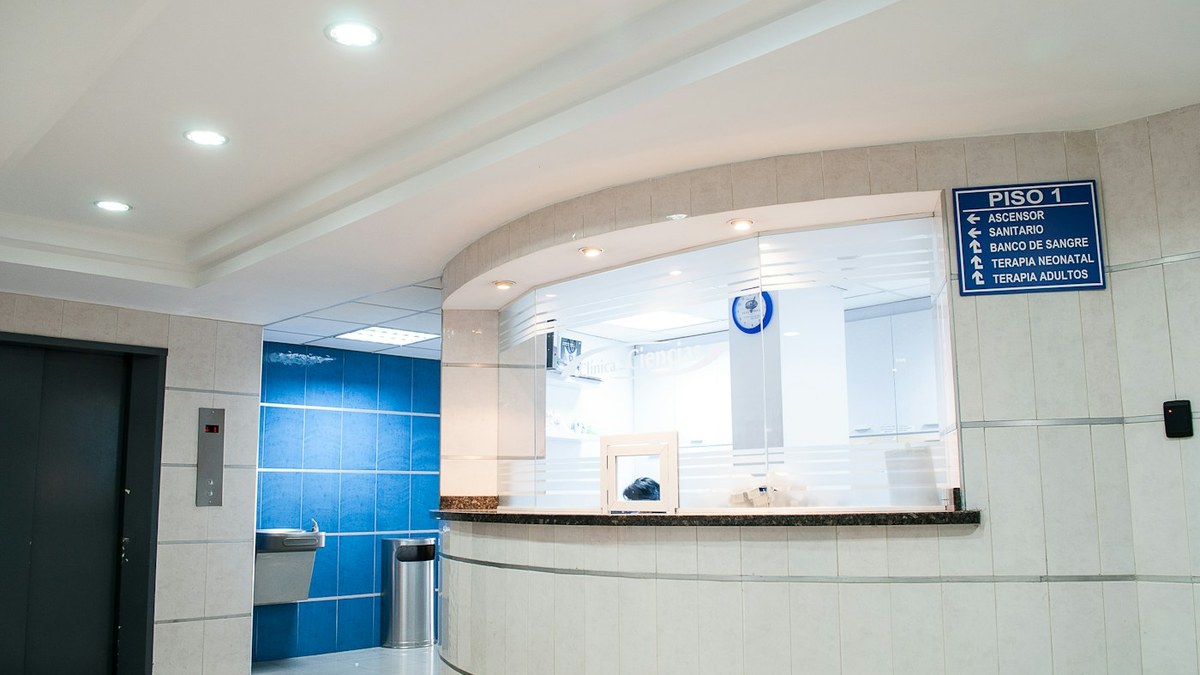
The University of Turin (Università degli Studi di Torino) delivers an innovative, problem-based English-taught medical degree at the dedicated San Luigi Gonzaga University Hospital campus in Orbassano. Offering 70 EU and 32 Non-EU seats annually via the IMAT (2024 closing cutoffs of 59.5 for EU and 70.8 for Non-EU), Turin pairs the Nobel-winning scientific legacy of Rita Levi-Montalcini with immersive clinical clerkships across Piedmont's Città della Salute healthcare system, supported by generous EDISU Piemonte scholarships. Prepare with BeambePrep's Topical QBank Bank 13, Full-Length Papers Bank 12, and General Knowledge Pulse Deck 4916.
1. Overview of the University of Turin San Luigi Medical Program
The University of Turin English-taught Medicine and Surgery course is a public six-year Single Cycle Master's Degree (Medicina e Chirurgia, LM-41), launched in 2017 and based entirely within the Azienda Ospedaliero-Universitaria San Luigi Gonzaga hospital complex in Orbassano.
Founded in 1404 by Prince Ludovico di Savoia-Acaia, the University of Turin (UniTO) boasts one of Europe's most decorated medical scientific traditions. The university's biomedical institutes have produced three Nobel laureates in Physiology or Medicine: Salvador Luria (1969, for discoveries concerning the replication mechanism and genetic structure of viruses), Renato Dulbecco (1975, for the interaction between tumor viruses and genetic cellular material), and Rita Levi-Montalcini (1986, for the discovery of nerve growth factor, NGF).
When UniTO engineered its English-language medical degree, the faculty made a deliberate pedagogical decision: rather than scattering lecture halls across central Turin, the program was permanently established within a single, dedicated teaching hospital campus at San Luigi Gonzaga in Orbassano, southwest of Turin. This self-contained structure allows medical students to attend lectures, conduct scientific research in translational laboratories, and enter clinical wards all within the same architectural complex. With 70 EU seats and 32 Non-EU seats, Turin provides an intimate, student-centric academic culture supported by extensive problem-based learning (PBL) tutorials.
| Institutional Dimension | Official Specification | Strategic Value for Candidates |
|---|---|---|
| Official Degree Title | Laurea Magistrale a Ciclo Unico in Medicina e Chirurgia (LM-41) | Fully accredited qualification recognized across the EU, UK, US, and globally. |
| Pioneering Heritage | Alma Mater of Rita Levi-Montalcini and Renato Dulbecco | Deep institutional commitment to molecular biology and translational neuroscience. |
| Campus Configuration | Self-contained hospital campus at San Luigi Gonzaga (Orbassano) | Direct daily integration between preclinical classrooms, research labs, and hospital wards. |
| Flagship Clinical Base | AOU San Luigi Gonzaga and Città della Salute e della Scienza | Access to specialized respiratory medicine, thoracic oncology, and regional trauma centers. |
| Specialized Centers | Molinette Hospital, CTO Trauma Center, Regina Margherita Children's | Comprehensive clinical electives across Europe's largest public healthcare trust. |
| Annual Seat Allocation | 70 EU/EEA Seats and 32 Non-EU Overseas Seats | Balanced cohort capacity offering steady scrolling and exceptional international community cohesion. |
| Tuition & Regional Aid | Scaled progressively via ISEE-U (156 EUR to ~2,800 EUR/yr) | 100% tuition fee waivers, free cafeteria meals, and cash living grants via EDISU Piemonte. |
The Objective Turin Standard: Admission to the English-taught medical course at the University of Turin is determined strictly and exclusively by your score on the International Medical Admissions Test (IMAT), governed by the Italian Ministry of University and Research (MUR). High school grade point averages, motivational essays, and personal references are not reviewed or factored into candidate rankings.
2. Historical IMAT Cutoff Scores and Seat Quota Dynamics
Historical IMAT cutoff scores for the University of Turin establish it as one of Northern Italy's most stable and balanced medical schools, closing in 2024 at 59.5 points for EU candidates (first round 62.4) and 70.8 points for Non-EU candidates out of 90.0 maximum points.
Because Turin offers an exceptional combination of high academic prestige, reasonable living costs, and an integrated hospital campus, it is heavily targeted by both European and international applicants. Following the 2024 ministerial shift prioritizing syllabus-aligned scientific recall, cutoffs across Piedmont and Lombardy elevated significantly. Turin's EU first-round score opened at 62.4 points and gradually scrolled to 59.5 points, demonstrating predictable scrolling behavior across subsequent rounds.
The table below outlines historical entry benchmarks for both European Union national list candidates and Non-EU overseas single-choice applicants across recent testing cycles:
| Examination Intake Cycle | EU First Round Cutoff | EU Final Closing Cutoff | Non-EU Single-Choice Cutoff | Available Seats (EU / Non-EU) |
|---|---|---|---|---|
| 2024 (MUR Era) | 62.4 Points | 59.5 Points | 70.8 Points | 70 EU / 32 Non-EU |
| 2023 (MUR Shift) | 39.0 Points | 37.4 Points | 49.0 Points | 70 EU / 32 Non-EU |
| 2022 (Cambridge) | 48.6 Points | 45.1 Points | 46.5 Points | 70 EU / 32 Non-EU |
| 2021 (Cambridge) | 47.1 Points | 43.8 Points | 45.8 Points | 70 EU / 32 Non-EU |
| 2020 (Cambridge) | 54.8 Points | 51.2 Points | 53.6 Points | 70 EU / 32 Non-EU |
Decoding Turin's EU Scrolling Velocity and Non-EU Quota Advantage
For European Union applicants, the University of Turin functions as an ideal high-yield choice. Because it offers 70 EU seats, the national scrolling process (scorrimento) progresses smoothly over the autumn and winter cycles. Between the initial release of rankings in October and the closing rounds in spring, Turin's EU cutoff typically scrolls downward by 2.5 to 3.5 points (such as moving from 62.4 to 59.5 in 2024). This provides substantial flexibility for students holding Prenotato status within range of the score boundary.
For Non-EU applicants residing abroad, Turin offers one of the most reliable single-choice options in Italy. With 32 Non-EU seats, Turin provides significantly more international capacity than Milan Statale (15 seats) or Sapienza (13 seats). While the Non-EU threshold remained competitive at 70.8 points in 2024, the presence of 32 spots dampens statistical outlier volatility, rewarding thorough, well-rounded preparation.
The Non-EU Strategic Benchmark for Turin: When choosing your single target university on Universitaly, evaluate your performance across at least five full-length past papers inside BeambePrep's Full-Length Exam Hall Bank 12. If your consistent baseline under strict 100-minute timed conditions sits between 68.0 and 72.0 points, Turin provides an outstanding balance between top-tier academic rigor and manageable single-choice admissions probability.
3. Academic Structure: Preclinical Studies and Problem-Based Learning
The preclinical curriculum at the University of Turin spans Years 1 and 2, delivering foundational biomedical training in cellular physiology, human anatomy, medical biochemistry, and genetics within the specialized classrooms of San Luigi Gonzaga Hospital.
Turin's preclinical phase stands out for its progressive pedagogical framework. Rather than relying exclusively on traditional didactic lectures, the faculty incorporates problem-based learning (PBL) seminars where small groups of students analyze clinical case vignettes, identify physiological questions, and present evidence-based solutions under faculty mentorship.
Year 1 Curriculum Outline
The first-year curriculum at the University of Turin San Luigi Medical School delivers integrated instruction across macroscopic human anatomy, systemic tissue histology, cellular genetics, medical chemistry, and clinical biophysics, combining traditional laboratory demonstrations with collaborative problem-based learning tutorials in Orbassano.
- Human Anatomy I: Macroscopic osteoarticular and muscular anatomy, thoracic and abdominal viscera, integrated with living surface anatomy and virtual 3D dissection platforms.
- Histology and Embryology: Detailed microscopic tissue architecture, gametogenesis, embryonic germ layer differentiation, and systemic fetal organogenesis.
- Medical Biology and Genetics: Cytogenetics, recombinant DNA techniques, mendelian patterns of disease transmission, and modern population genetics.
- Medical Chemistry and Biochemistry: Chemical bonding, metabolic cycles (glycolysis, citric acid cycle, beta-oxidation), enzyme regulation, and clinical bioenergetics.
- Physics Applied to Medicine: Radiation biophysics, optical instrumentation, fluid dynamics of blood circulation, and diagnostic imaging physics.
Year 2 Curriculum Outline
The second-year curriculum at the University of Turin San Luigi Medical School advances into functional neuroanatomy, biophysical human organ physiology, general cellular pathology, diagnostic microbiology, and medical immunology, preparing students for clinical semiotics and diagnostic interpretation in regional hospital wards.
- Human Anatomy II and Neuroanatomy: Structural mapping of the central and peripheral nervous systems, cranial nerves, sensory tracts, and cerebral vascularization.
- Human Physiology I and II: Action potential kinetics, cardiovascular hemodynamics, pulmonary mechanics, acid-base balance, and endocrinology.
- General Pathology and Pathophysiology: Cellular mechanisms of necrosis and apoptosis, inflammatory mediators, vascular thrombosis, and neoplastic transformation.
- General Microbiology and Virology: Bacterial structure, antimicrobial pharmacology, diagnostic virology, systemic mycology, and medical parasitology.
- Immunology: Innate immune receptors, adaptive cellular and humoral responses, immune tolerance, and clinical autoimmune diseases.
Oral Examination Fluency in Piedmont: Like all premier Italian medical schools, the University of Turin evaluates core subjects through rigorous oral examinations (esami orali). To pass modules like Physiology or Pathology, students must verbally defend clinical case interpretations and draw physiological regulatory pathways on a whiteboard. I built BeambePrep's General Knowledge and Science Pulse Deck 4916 to build the rapid cognitive retrieval skills needed to articulate complex medical concepts under direct observation.
4. Clinical Immersion: San Luigi Gonzaga and Città della Salute
Clinical training at the University of Turin begins in Year 3 and continues through Year 6, embedding medical students into the wards, surgical suites, and specialized clinics of San Luigi Gonzaga Hospital and the broader Città della Salute healthcare network.
San Luigi Gonzaga Hospital is an advanced tertiary healthcare facility recognized for its excellence in clinical pulmonology, thoracic oncology, internal medicine, and metabolic endocrinology. The hospital operates as a specialized clinical center for respiratory diseases, housing Piedmont's Regional Center for Adult Cystic Fibrosis:
AOU San Luigi Gonzaga (Orbassano)
AOU San Luigi Gonzaga serves as the primary teaching hospital for the University of Turin English medical program, integrating preclinical classrooms, advanced translational research laboratories, and acute inpatient clinical wards within a single unified healthcare facility in Orbassano.
Because the medical school is physically located inside the hospital, students transition seamlessly from lecture rooms to clinical wards. In Year 3, students begin daily morning rotations in internal medicine and general surgery, learning physical examination techniques, reviewing radiology images, and practicing phlebotomy and cannula placement under supervision.
AOU Città della Salute e della Scienza di Torino
AOU Città della Salute e della Scienza di Torino provides advanced clinical elective and clerkship rotations across Europe's largest public hospital conglomerate, offering specialized inpatient wards, level-one trauma surgery suites, pediatric intensive care units, and high-risk obstetric clinics throughout metropolitan Turin.
In upper clinical years, students rotate through Città della Salute, one of Europe's largest public hospital conglomerates:
- Ospedale Molinette: Italy's premier center for general surgery, organ transplantation, hepatology, and cardiology.
- Centro Traumatologico Ortopedico (CTO): Nationally acclaimed Level 1 trauma and orthopedic center specializing in emergency neurotrauma, spine surgery, and reconstructive plastic surgery.
- Ospedale Infantile Regina Margherita: Flagship pediatric hospital providing rotations in pediatric emergency medicine, neonatal intensive care, and childhood oncology.
- Ospedale Sant'Anna: Italy's largest specialized hospital for obstetrics, gynecology, and reproductive medicine.
| Curricular Phase | Core Specialty Blocks | Clinical Setting & Exposure | Assessment Milestones |
|---|---|---|---|
| Year 3 | Clinical Semeiotics, Basic Pharmacology, Systemic Pathology | Inpatient internal medicine and general surgical wards | Physical examination sign-offs and bedside diagnostic case evaluations. |
| Year 4 | Cardiovascular, Respiratory, Gastroenterology, Nephrology Specialties | Specialty inpatient wards, endoscopy suites, cardiac catheterization labs | Case history presentations, diagnostic imaging reviews, and treatment algorithm formulations. |
| Year 5 | Obstetrics and Gynecology, Pediatrics, Neurology, Psychiatry | Delivery rooms, neonatal ICUs, acute psychiatric units, stroke centers | Active participation in routine deliveries, pediatric evaluations, and neurological examinations. |
| Year 6 | Emergency Medicine, General Surgery, Community Practice (TPVES) | Emergency trauma bay, operating rooms, community general practice | Mandatory 3-month TPVES qualifying rotation and public defense of the experimental graduation thesis. |
Clinical Language Proficiency at San Luigi: While all academic lectures and exams are conducted in English, bedside interactions with patients at San Luigi and Molinette occur entirely in Italian. The University of Turin requires all international medical students to achieve at least B2 proficiency in Italian before starting Year 3 clinical rotations. The university provides free language courses during Years 1 and 2, but starting early with daily spoken practice ensures you can confidently take patient histories and communicate with nursing staff.
5. Tuition Fees, EDISU Regional Scholarships, and Living in Turin
Tuition fees at the University of Turin are calculated progressively based on family economic status (ISEE-U), ranging from approximately 156 EUR to 2,800 EUR per year, with complete fee exemptions, meal vouchers, and annual living stipends provided through EDISU Piemonte.
Studying medicine at the University of Turin provides unmatched economic value compared to private medical institutions across Europe. As a public institution, UniTO offers accessible, income-tiered tuition subsidized by the Italian state.
The EDISU Piemonte Regional Financial Aid Framework
EDISU Piemonte (Ente Regionale per il Diritto allo Studio Universitario del Piemonte) is the regional agency responsible for university student welfare in Piedmont. International students are fully eligible to apply for EDISU benefits based on family economic documentation (ISEE-U parificato):
- 100% Tuition Fee Exemption: Complete waiver of all university tuition fees, leaving only the statutory 156 EUR regional stamp tax.
- Annual Cash Living Grant: An annual maintenance stipend of up to 6,800 EUR to 7,500 EUR for non-resident international students, disbursed in scheduled installments.
- Free and Subsidized Dining: Daily meal credits usable across all university dining halls (mense) throughout Turin and at the San Luigi hospital canteen.
- Student Residence Housing: Subsidized rooms in modern EDISU student dormitories located across the Turin metropolitan area.
Student Life and Cost of Living in Turin
Turin is widely regarded as one of Italy's most elegant, livable, and affordable major cities. Famous for its grand Baroque boulevards, historic royal residences, and vibrant culinary scene, Turin offers a significantly lower cost of living than neighboring Milan:
| Monthly Expense Item | Average Cost Range (EUR) | Practical Tips for Students |
|---|---|---|
| Single Room in Shared Apartment | 350 EUR to 500 EUR | Look for rooms near Santa Rita, Lingotto, or San Salvario for easy transit to Orbassano. |
| Shared Double Room | 220 EUR to 320 EUR | Highly economical option widely available throughout Turin. |
| Food & Grocery Supplies | 180 EUR to 280 EUR | Shop at local neighborhood markets and supermarkets like Conad, Carrefour, and Lidl. |
| City Transit Pass | 25 EUR per month | GTT Under-26 student pass covers unlimited subway, tram, and urban bus routes, including lines to Orbassano. |
| Leisure, Culture & Dining | 100 EUR to 180 EUR | Enjoy historic cafes in Piazza Castello, aperitivo in San Salvario, and skiing in the nearby Alps. |
| Total Monthly Outlay | 700 EUR to 1,050 EUR / Month | Highly manageable on an EDISU scholarship budget. |
6. How to Build an Unbeatable IMAT Strategy for Turin San Luigi
Securing admission to the University of Turin requires scoring well into the 60+ point range for EU applicants and 70+ points for Non-EU applicants, demanding complete factual recall across Biology and Chemistry, procedural accuracy in Physics and Mathematics, and disciplined negative marking risk management.
When I designed the BeambePrep prep suite, I specifically calibrated our practice modules to help students conquer the exact challenges presented by the IMAT. With 70 EU seats and 32 Non-EU seats, Turin rewards candidates who minimize avoidable penalties and maintain steady accuracy under pressure.
Strategic Execution Plan for Turin
- Dominate the Science Core (38 Questions / 57 Marks): Biology and Chemistry represent over 63% of the total exam weight. You must achieve near-perfect accuracy across cellular respiration, DNA transcription and translation, biochemical equilibrium, and functional organic nomenclature using BeambePrep's Topical QBank (Bank 13).
- Master 15-Second Non-Calculator Shortcuts: Because calculators are strictly prohibited, complex stoichiometry, kinematic vectors, and logarithmic acid-base calculations must be resolved rapidly using mental shortcuts and dimensional estimation.
- Internalize Strict Expected Value Discipline: With a +1.5 reward for correct answers and a -0.4 penalty for wrong answers, blind guessing yields a negative mathematical expectation (-0.02). Only attempt questions where you can decisively eliminate at least two plausible distractors.
- Complete Authenticated Timed Mocks: Practice full-length past exams inside BeambePrep's Full-Length Exam Hall (Bank 12) under genuine 100-minute timed conditions to build the cognitive stamina required for exam day.
The Distractor Over-Analysis Trap: On the IMAT, many test-takers get stuck overthinking distractors in complex chemistry equilibrium and biology genetics questions, burning two to three minutes on a single question. This time loss forces panicked guessing on later physics and math items. Practice the 15-second triage rule: if a problem cannot be simplified within 20 seconds, mark your best elimination candidate, flag the question, and move forward.
Frequently Asked Questions
Q: Where is the San Luigi Gonzaga campus located?
The medical school campus is located at the Azienda Ospedaliero-Universitaria San Luigi Gonzaga in Orbassano, a southwestern suburb of the Turin metropolitan area. Direct public bus lines (such as Bus Line 43 and Line 5) connect Orbassano with central Turin and the Fermi and Lingotto metro stations.
Q: When did the University of Turin launch Medicine in English?
The English-taught Single Cycle Master's Degree in Medicine and Surgery at the University of Turin was officially established in the 2017/2018 academic year.
Q: How many seats are available at Turin for international students?
Under recent ministerial decrees, the University of Turin offers 70 seats for European Union candidates (including non-EU residents in Italy) and 32 seats for Non-EU overseas applicants.
Q: What were the recent IMAT cutoffs for Turin?
In 2024, the final EU closing cutoff was 59.5 points (first round 62.4), while the Non-EU single-choice cutoff was 70.8 points out of 90.0 maximum points. In 2023, under a more difficult examination paper, the EU closing cutoff was 37.4 points and the Non-EU cutoff was 49.0 points.
Q: What makes the curriculum at San Luigi unique?
The San Luigi curriculum incorporates small-group Problem-Based Learning (PBL) seminars alongside traditional lectures, providing early clinical case exposure and fostering collaborative diagnostic reasoning from the first year.
Q: What is the EDISU Piemonte scholarship?
EDISU Piemonte is the regional agency for higher education support in the Piedmont region. Both EU and Non-EU international students with qualifying family incomes (ISEE-U) can receive full tuition exemptions, annual cash living grants (up to ~7,500 EUR), and free dining privileges.
Q: Is Italian language proficiency required before applying to Turin?
No Italian proficiency certificate is required at the time of IMAT registration or during pre-enrollment. However, students must achieve at least B2 proficiency by the start of Year 3 to participate in clinical clerkships and interact with patients in hospital wards. The university provides free language courses to help students reach this level.
Q: Can graduates from Turin practice medicine internationally?
Yes, the degree awarded is an official Italian Laurea Magistrale in Medicina e Chirurgia (LM-41), fully accredited across the European Union. Graduates can also register with the General Medical Council (GMC) in the UK via the PLAB/MLA pathway or pursue US residency via the USMLE examinations.
Start Retaining for Real: Master University of Turin San Luigi Medical School: Admissions, Cutoffs, Orbassano Hospital, and Student Guide with Active Recall
Passive reading and repetitive textbook re-reading create the dangerous illusion of mastery. Real exam excellence requires spaced retrieval and discriminating question practice that mirrors actual PMDC difficulty.